
Light sensitivity can make everyday activities, like driving, reading, or spending time outdoors, feel uncomfortable. For those experiencing this issue, “why are my eyes so sensitive to light?” is a common concern worth understanding.
Learning what causes light sensitivity, the symptoms to watch for, and when to seek care can help you better manage your eye health and find the right solution.
What Is Photophobia?
Light sensitivity is medically known as photophobia. It refers to discomfort or pain in the eyes when exposed to light, ranging from mild irritation to a stronger need to avoid bright environments. Despite the name, photophobia is not a condition on its own but rather a symptom that can be linked to a variety of underlying causes affecting the eyes or nervous system.
According to MedlinePlus, photophobia can occur when the eyes are irritated, inflamed, or more sensitive than usual, making normal light levels feel overwhelming. This increased sensitivity may be temporary or persistent, depending on the underlying cause.
Why Are My Eyes Sensitive to Light?
There are several reasons for light sensitivity, and they often relate to how the eyes respond to irritation, strain, or underlying conditions. In many cases, this discomfort develops when the eye’s natural protective mechanisms are disrupted.
Common contributors include:
- Dryness on the surface of the eye
- Prolonged screen use
- Inflammation or irritation
- Neurological triggers, such as migraines
These factors can increase sensitivity to light and make even normal environments feel uncomfortable.
Common Causes of Light Sensitivity
Understanding the most frequent sensitivity to light causes can help identify what may be contributing to your symptoms:
- Dry eye syndrome: Reduced tear production can lead to irritation and increased light sensitivity
- Digital eye strain: Extended screen use can cause fatigue and discomfort
- Migraines: Often associated with heightened sensitivity to light
- Corneal irritation or injury: Scratches or inflammation can make light painful
- Eye infections or inflammation: Conditions like conjunctivitis or uveitis
- Cataracts: Can scatter light and contribute to discomfort over time
Each of these causes affects how light is processed by the eye, leading to varying levels of sensitivity.
What Does Light Sensitivity Feel Like?
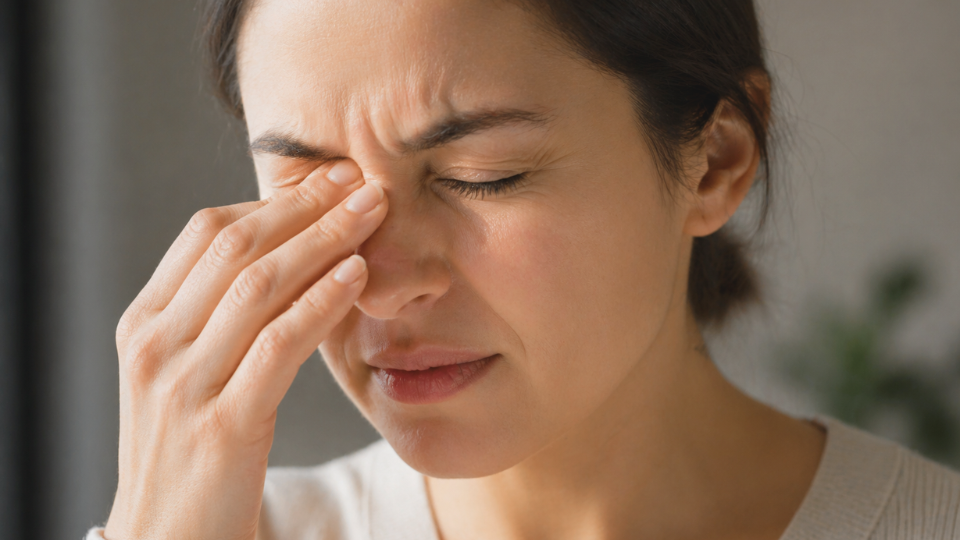
Light sensitivity can present differently depending on the cause and severity. Some people experience mild discomfort, while others may feel a strong need to avoid bright environments.
Common sensations include:
- Sharp discomfort in bright light
- A dull ache or irritation in the eyes
- The need to squint or close your eyes
- Difficulty adjusting between light and dark environments
This type of eyesight light sensitivity can make routine tasks more challenging, especially in bright or high-contrast settings.
Can Light Sensitivity Affect One Eye?
In some cases, light sensitivity in one eye may occur. This can be associated with localized issues such as:
- Eye injury or irritation
- Infection affecting one eye
- Corneal problems
When sensitivity is limited to one eye, it’s especially important to monitor symptoms and consider a professional evaluation.
How Light Sensitivity Affects Daily Activities
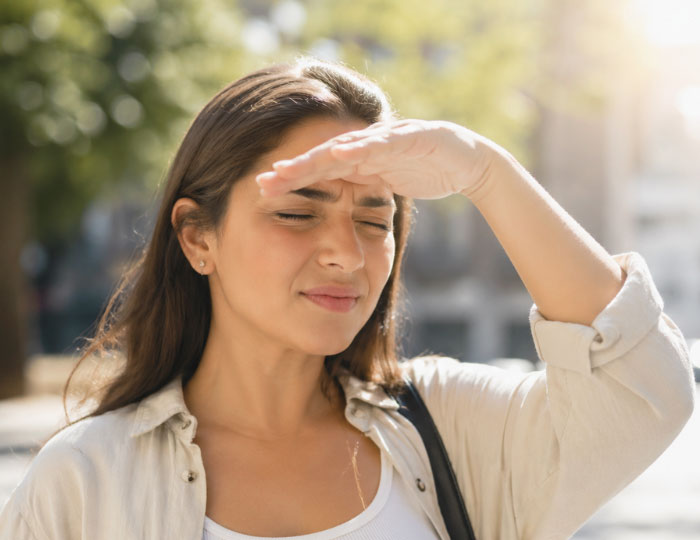
Light sensitivity can interfere with daily routines in subtle but meaningful ways. For some individuals, hypersensitivity to sunlight eyes may make outdoor activities uncomfortable, while others may struggle with indoor lighting or screen use.
You may notice:
- Difficulty driving in bright sunlight or at night
- Discomfort when reading or using digital devices
- Increased sensitivity in well-lit environments
These challenges can gradually impact quality of life if not addressed.
Managing Light Sensitivity and Protecting Your Eyes
There are several practical ways to reduce discomfort and protect your eyes from light sensitivity:
- Adjust screen brightness and reduce glare
- Use proper lighting in work and home environments
- Take regular breaks during screen use
- Wear protective lenses designed to reduce light sensitivity
You can explore specialized eyewear options that may help improve comfort in bright conditions.
When to See an Eye Care Professional
Light sensitivity can vary in severity, but certain symptoms may indicate the need for a professional evaluation. Common photophobia symptoms include:
- Discomfort in bright environments
- Squinting or needing to close your eyes
- Headaches triggered by light
- Eye watering
- Blurred vision
You may want to schedule an eye exam if you notice:
- Persistent or worsening sensitivity to light
- Eye pain or redness
- Vision changes
- Sensitivity affecting only one eye
- Sudden onset of symptoms
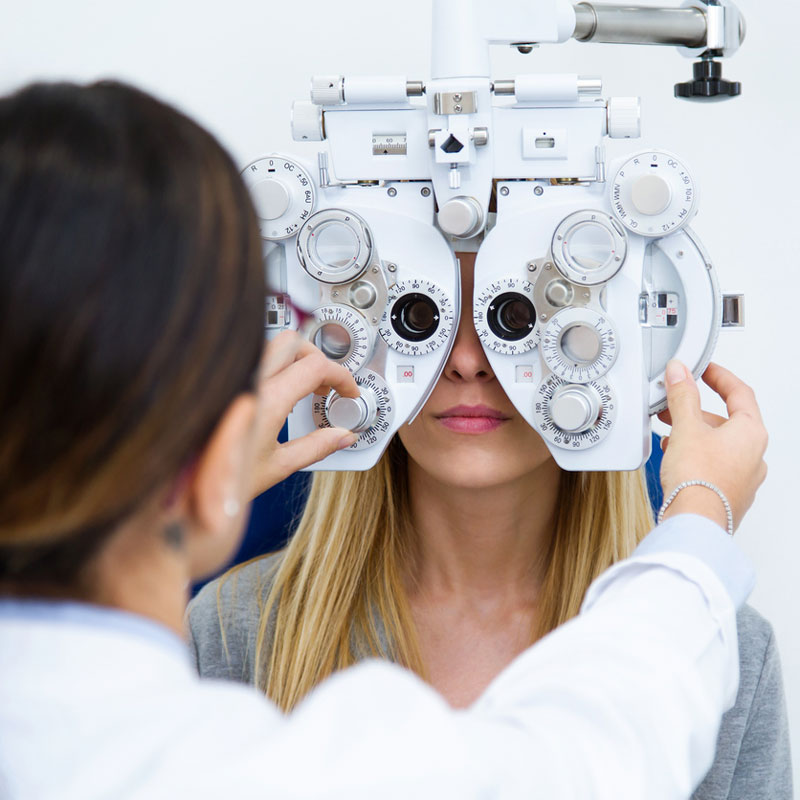
An eye care professional can help determine photophobia why symptoms are occurring and recommend the most appropriate treatment.
Protect Your Eyes with the Right Care
Light sensitivity is a common symptom that can be linked to a range of causes, from everyday eye strain to underlying conditions. Understanding why are my eyes so sensitive to light and recognizing changes in your symptoms can help you take the right steps to protect your vision.
At the Rocky Mountain University Eye Institute, serving patients in Provo and Salt Lake City, Utah, we provide personalized evaluations to identify the cause of light sensitivity and recommend the right treatment. If you’re experiencing ongoing discomfort, you can schedule your visit through our online scheduling tool or contact our team to get the care you need.