
Frequently Asked Questions

General Eye Institute
Why should I have an exam at the RMU Eye Institute?
Our nationally recognized optometric physicians at the RMU Eye Institute, ensure the optimum care and treatment for you and your family.
What to expect during my eye exam?
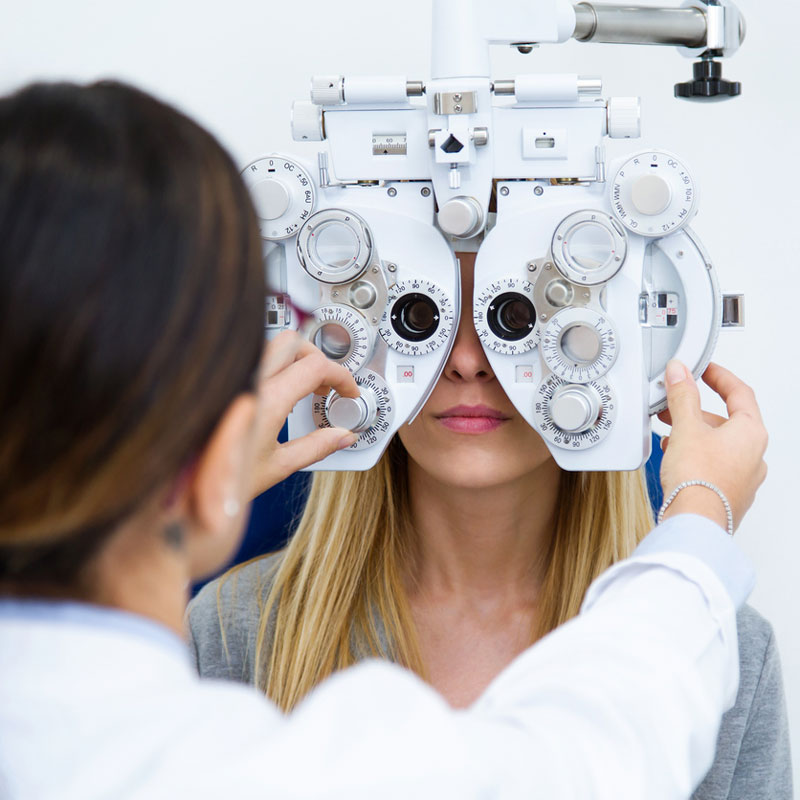
During the course of your examination, our optometric doctors will review your personal information as well as verify your test findings. Your faculty doctor will personally evaluate the health of your eyes and look for signs of systemic diseases in the eye, cataracts, glaucoma, macular degeneration or risk factors for retinal detachment. This will also give you an opportunity to ask questions of an expert.
The examination is designed to detect a wide range of problems affecting vision function that cause blurred vision and eye discomfort. Evaluations for eye health disorders are also performed.
State of the art technology is utilized throughout the examination process.
Do you accept referrals?
Yes, these include referrals for vision therapy, low vision rehabilitation, specialty contact lens fitting, ocular disease, special testing, and pre- and post-operative management of cataract surgery, laser surgery for diabetes, and LASIK.
How should I prepare for having my eyes dilated?
Pupil dilation allows the doctor to see the inner part of your eye, but the side effects of the dilation can leave your vision blurry and sensitive to light for up to 2 or more hours. It is recommended that a friend or family member provide transportation following pupil dilation until your pupils return to their original size.
Are you able to address eye concerns for a person with disabilities?
Yes! We have special objective ways to assess and treat people of all abilities.
What is the youngest patient that you see?
Our Pediatric Services is able to see newborns, infants, toddlers and patients up to the age of 17.
Can I fill out my patient forms before I come to my exam?
Yes, visit the Patient Resources section on the website.
What insurances does RMU Eye Institute take?
We accept both vision and medical insurances. Please visit the Billing & Insurance page for accepted insurances.
Where do I park at the RMU Eye Institute?
There will be designated patient parking in the primary parking lot of building 3. Look for the sign indicating those parking stalls.
Comprehensive Eye Exams
What is included in a comprehensive eye exam?
How often should I get a comprehensive eye exam?
What's the difference between a vision screening and a comprehensive eye exam?
Can a comprehensive eye exam detect other health problems?
How long does a comprehensive eye exam take?
Do I need a comprehensive eye exam if I have perfect vision?
Where can I book a comprehensive eye exam in Provo or Salt Lake City?
We see patients at two locations: 122 E 1700 S, Bldg. 3 in Provo, and 970 Emery St W in Salt Lake City. Call 385.248.5550 to book a comprehensive eye exam at whichever clinic is easier for you to reach.
Contacts & Specialty Contact Lenses
What’s the difference between daily and monthly contact lenses?
Are contact lenses safe to wear every day?
Yes, contact lenses are safe for daily wear when fitted properly and used according to your provider’s
instructions. Following hygiene guidelines and replacing lenses as recommended to reduce the risk of eye infections or irritation is essential.
Specialty contact lenses are custom-designed for patients with complex eye conditions such as keratoconus, post-surgical corneas, scarred eyes, or irregular astigmatism. These lenses offer clear, comfortable vision when traditional contacts or glasses aren’t effective.
What are specialty contact lenses used for?
How do I know if I need specialty contact lenses?
Can I get colored contact lenses with a prescription?
Do contact lenses work for astigmatism or presbyopia?
Where can I get fitted for scleral or specialty lenses in Provo or Salt Lake City?
Specialty and scleral lens fittings are available at both clinics: 122 E 1700 S, Bldg. 3 in Provo, and 970 Emery St W in Salt Lake City. Call 385.248.5550 and we will book you with a doctor who fits these lenses regularly.
Vision Therapy & Binocular Vision
What is vision therapy and how does it work?
Vision therapy is a non-surgical treatment program that improves how the eyes move, focus, and work
together. It includes customized eye exercises and activities designed to train the brain and visual system to
work more efficiently.
What conditions can vision therapy treat?
How do I know if my child needs vision therapy?
What’s the difference between vision therapy and glasses?
Is vision therapy just for children?
How long does vision therapy take to see results?
Medical Eye Care
What’s the difference between a medical eye exam and a routine eye exam?
How often should I get a medical eye exam?
Can an eye doctor detect diabetes or high blood pressure?
What are the early signs of glaucoma or macular degeneration?
Is medical eye care only for seniors?
Will my insurance cover a medical eye exam?
Keratoconus
What is keratoconus and how is it diagnosed?
What are the early symptoms of keratoconus?
Can keratoconus be cured?
What are scleral lenses and why are they used for keratoconus?
Is corneal cross-linking a safe option?
How often should I have my eyes checked if I have keratoconus?
Dry Eye Treatment
What causes dry eye syndrome?
What is OptiLIGHT IPL treatment for dry eye?
What are serum eye drops, and how do they work?
Are dry eye treatments safe?
Can dry eye be cured?
How do I know which treatment is right for me?
Low Vision
What is low vision and how is it different from blindness?
Low vision is a significant loss that can’t be corrected with glasses, contacts, or surgery. Unlike total blindness,
people with low vision still have some usable vision that can often be enhanced with special tools or techniques.
What conditions can cause low vision?
Common causes include macular degeneration, glaucoma, diabetic retinopathy, retinitis pigmentosa, optic nerve
disorders, and stroke-related vision loss. Children may also be affected by conditions like ocular albinism or
Stargardt disease.
What types of tools or devices can help with low vision?
How can you help children with low vision succeed in school?
Can adults with macular degeneration or central vision loss still read or drive?
Do you offer support for patients with total or near-total vision loss?
Eyewear
How do I know if I need new glasses?
You may need new glasses if you’re experiencing headaches, blurry vision, eye fatigue, or if it’s been over a year since
your last exam. Even without symptoms, annual check-ups help ensure your prescription is current.
What types of lenses do you offer?
Can you help me choose frames that suit my face?
Do you offer glasses for kids and teens?
How long does it take to get my new glasses?
Do you accept insurance for glasses and frames?
We accept most major vision insurance plans. Our team can help verify your benefits and explain what’s covered, including frame allowances and lens upgrades.
How do I care for my eyeglasses?
Soap and water or a commercial eyeglass cleaner with a soft cloth can be effective cleansers for your eyeglasses.
Vision Care Without Coverage
Who qualifies for free eye exams at RMU Eye Institute?
What is included in a pro-bono eye exam?
Can I get free glasses through RMU Eye Institute?
How do I apply for free vision care?
Where is the RMU Eye Institute located and when are you open?
We are at 122 East 1700 South, Bldg 3, Provo, Utah.
Our hours are Monday through Friday, 8:00 a.m. to 5:00 p.m.
Do I need a referral from a charity to get free vision care?
General FAQs
What’s the difference between an optometrist and an ophthalmologist?
An optometrist (OD) is a licensed eye doctor who provides comprehensive eye exams, diagnoses and treats vision problems and eye conditions, and prescribes glasses or contact lenses. An ophthalmologist (MD or DO) is a medical doctor who specializes in eye surgery and advanced disease treatment. An optometrist can handle most routine and medical eye care needs.